As I reflect on the Summer Olympics of 1948, I’m struck by how this monumental event symbolized a turning point for post-war Britain. After the devastation of World War II, the nation was in dire need of renewal. The 1948 Olympics, held in London, emerged not just as a showcase of athletic prowess but as a beacon of hope and resilience. It was more than a sporting event; it was a declaration that Britain could rise from the ashes and reclaim its place on the world stage.
In those early days of recovery, the atmosphere was charged with anticipation and optimism. The games were a testament to the indomitable spirit of a nation eager to heal and unite. Athletes from around the globe converged in London, each carrying stories of struggle and triumph. The Summer Olympics of 1948 became a powerful reminder that even in the darkest times, we can find strength through unity and shared dreams. Join me as we delve deeper into this remarkable chapter of history, exploring how the Olympic Games transformed not only sports but also the very fabric of British society.
Historical Context of Post-War Britain
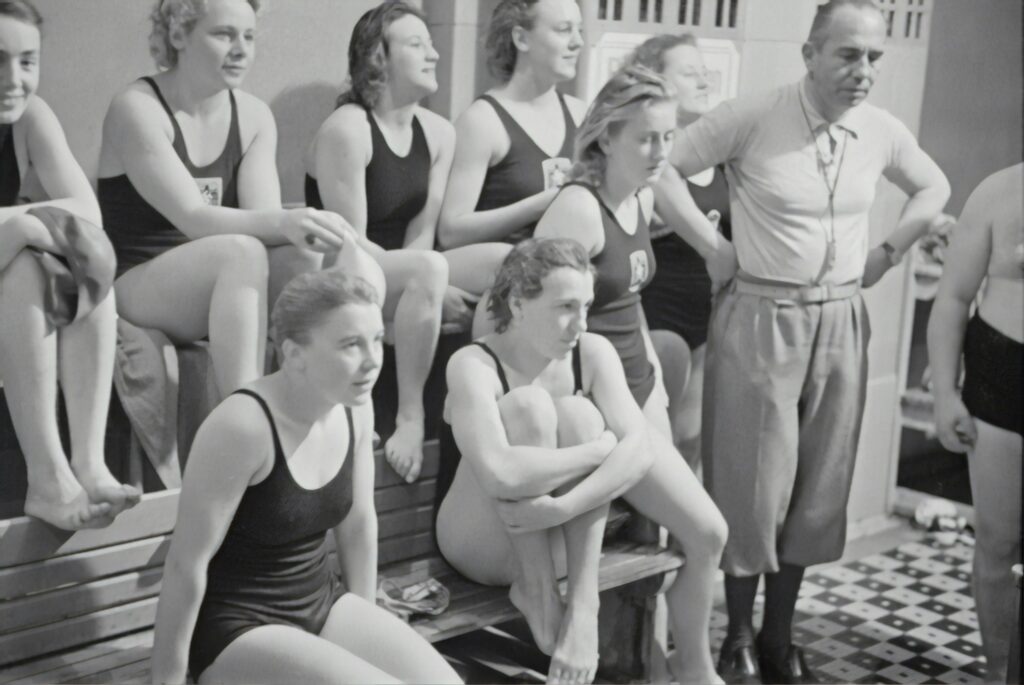
The war left the country scarred—cities were reduced to rubble, families were torn apart, and a sense of despair hung heavily in the air. Rationing was still in place, and many citizens faced daily challenges just to survive. Yet, amidst this bleak backdrop, there was an undeniable yearning for renewal and hope. The Olympics represented not just a sporting event, but a beacon of resilience, signaling that Britain was ready to rise from the ashes.
The decision to host the Olympics was a reflection of this desire for rejuvenation. It was as if the nation collectively decided that the games could serve as a catalyst for cultural changes and social impact. With cities in disrepair and the economy struggling, organizing the Summer Olympics was no small feat. The British government, alongside key figures like Sir Ludwig Guttmann, who had pioneered sports for disabled veterans, saw the potential for these games to unify a fractured society and restore national pride. This ambitious undertaking became a symbol of hope—a way to demonstrate to the world that Britain could overcome adversity and emerge stronger.
In many ways, the Summer Olympics of 1948 acted as a mirror for the societal shifts taking place in post-war Britain. As athletes gathered from around the globe, they not only competed for medals but also showcased the spirit of camaraderie that transcended borders. The games were a reminder that even in the face of destruction, there could be moments of joy and unity. The success of the Olympics helped to rekindle faith in public institutions and showcased the nation’s determination to rebuild. This wasn’t just about sports; it was about healing a nation and redefining its identity on the world stage.
The Decision to Host the Olympics
The task of organizing the Summer Olympics in 1948 fell to a remarkable group of individuals, including the British Olympic Association and its president, Sir Arthur Gold. They faced a myriad of challenges—from securing funding to refurbishing venues that had fallen into disrepair. The financial constraints were particularly daunting; with rationing still in effect and many citizens struggling to make ends meet, raising funds for the games was no small feat. Yet, against all odds, they managed to secure sponsorships and support from local businesses eager to contribute to this symbol of recovery and hope. It was a true testament to British ingenuity and collaboration during a time when unity was desperately needed.
As preparations unfolded, the spirit of the Olympic athletes who would soon represent their countries began to take shape. Their training regimes and unwavering commitment served as a beacon of inspiration for a nation yearning for triumph. Among those key figures were not only local organizers but also international leaders who recognized the importance of these games as a means to foster goodwill and camaraderie among nations recovering from war. The collective effort culminated in a resounding message: despite the hardships, Britain was ready to host an event that would not only showcase athletic prowess but also reinforce global solidarity.
Ultimately, the decision to host the 1948 Olympics went beyond mere logistics; it represented a pivotal moment in sports history. The games became a symbol of rebirth for Britain and set the tone for future Olympic events around the world. As I reflect on this period, I am reminded that sometimes it takes immense challenges to spark innovative solutions and rally communities together—an enduring lesson that resonates even today.
Symbolism of Hope and Resilience
The Summer Olympics of 1948 were more than just a series of athletic competitions; they emerged as a powerful symbol of hope and resilience for a nation still reeling from the devastation of World War II. After years of hardship, rationing, and uncertainty, Britain found itself on the cusp of a new beginning, and hosting the Olympics was seen as a way to showcase the country’s recovery and revitalization. The Games served as a unifying force, igniting a sense of national pride that had been dimmed by years of conflict. As athletes from around the world gathered in London, the event transcended mere sport; it became a celebration of human spirit and determination.
Among the many stories that emerged from these Games, few resonate as strongly as that of Dutch runner Fanny Blankers-Koen. Competing as a mother in an era when female athletes faced significant scrutiny, she defied societal expectations by winning four gold medals in track and field. Her triumph not only represented personal achievement but also served as an inspiration for women across the globe, signaling that resilience could flourish even in the face of adversity. Similarly, British athlete Jim Peters captivated audiences with his grueling marathon performance, where he pushed through physical exhaustion to finish despite not medaling. His perseverance illustrated the very essence of the Olympic spirit—a willingness to confront challenges head-on, embodying the broader narrative of a nation determined to rebuild itself.
These stories were not isolated incidents but rather emblematic of a collective yearning for renewal. Athletes from all walks of life showcased incredible tenacity, pushing boundaries and breaking records while inspiring hope in their communities. The Games offered a platform for showcasing not just athletic prowess but also the indomitable human spirit—a reminder that even in our darkest hours, we can rise again. The Olympic flame flickered brightly over London, illuminating the path toward recovery and instilling a belief in the power of unity and strength amidst diversity.
Memorable Athletes and Their Stories
As I delve into the remarkable stories from the Summer Olympics 1948, it’s impossible not to mention the extraordinary feats of athletes like Britain’s own Dickie Burnell, who competed in rowing. Burnell had faced immense challenges leading up to the Olympics, including the loss of his father during World War II and the subsequent struggles of his family. His journey to the podium was emblematic of the spirit of post-war Britain—perseverance in the face of adversity. When he won the gold medal in the coxed fours, it wasn’t just a win for him; it represented a collective sigh of relief for a nation yearning for hope and success. These athletes’ journeys were not isolated; they were interwoven with the fabric of a country on the mend.
The significance of these achievements extends beyond the realm of sports. The performances at the Summer Olympics 1948 served as a rallying point for a society still grappling with the scars of war. As we reflect on these individual stories, we see how they encapsulated the broader themes of resilience and unity that characterized the games. Each medal won was a symbol of hope, propelling not only their respective sports but also fostering a renewed national pride. In celebrating their victories, we commemorate an era that reminded us all of the strength found in human spirit and athleticism.
In essence, the athletes of the Summer Olympics 1948 did more than compete; they became ambassadors of recovery and aspiration. Their legacies remind us that sports can be a powerful vehicle for change and inspiration. As we remember their stories, we acknowledge how their personal journeys paralleled the broader narrative of a nation striving to rise anew from the ashes of conflict. These tales continue to inspire future generations, illustrating that even in challenging times, greatness can emerge.
Reflecting on a Historic Moment
As I look back on the Summer Olympics 1948, I can’t help but feel a sense of admiration for what those games represented. They were more than just a series of athletic competitions; they symbolized hope and resilience for a nation emerging from the shadows of war. The legacy of the 1948 Olympics still resonates today. It taught us about unity, perseverance, and the power of sports to bring people together, regardless of their backgrounds.
Let us take a moment to reflect on the lessons learned from this historic event. The spirit of the Summer Olympics 1948 reminds us that even in our darkest times, we can find strength and inspiration. As we celebrate the achievements of those athletes, we are reminded of our capacity to rise above challenges. Their stories continue to inspire new generations, proving that sports can foster connections that transcend borders and unite us all.
