Post-Traumatic Stress Disorder (PTSD) is a psychological condition that affects many veterans, often as a result of the intense experiences they encounter during military service. From combat situations to the emotional and physical toll of deployment, veterans are frequently exposed to traumatic events that leave lasting scars. Understanding PTSD is crucial for veterans, their families, and the broader community in order to provide support and effective treatment options.
Veterans may face symptoms such as flashbacks, anxiety, and difficulty adjusting to civilian life, all of which can hinder their mental well-being. Often, the stigma surrounding mental health issues in the military prevents veterans from seeking the help they need. Acknowledging and addressing PTSD can feel overwhelming, but with the right resources, many veterans can find relief and reclaim their lives.
The road to understanding PTSD begins with recognizing the signs and appreciating the unique experiences that veterans endure. By fostering awareness, veterans can feel less isolated in their struggles, knowing that they are not alone. Treatment options, such as therapy and medication, can help manage symptoms and improve the overall quality of life for veterans suffering from PTSD. Healing is possible with the right support, and understanding is the first step on that journey.
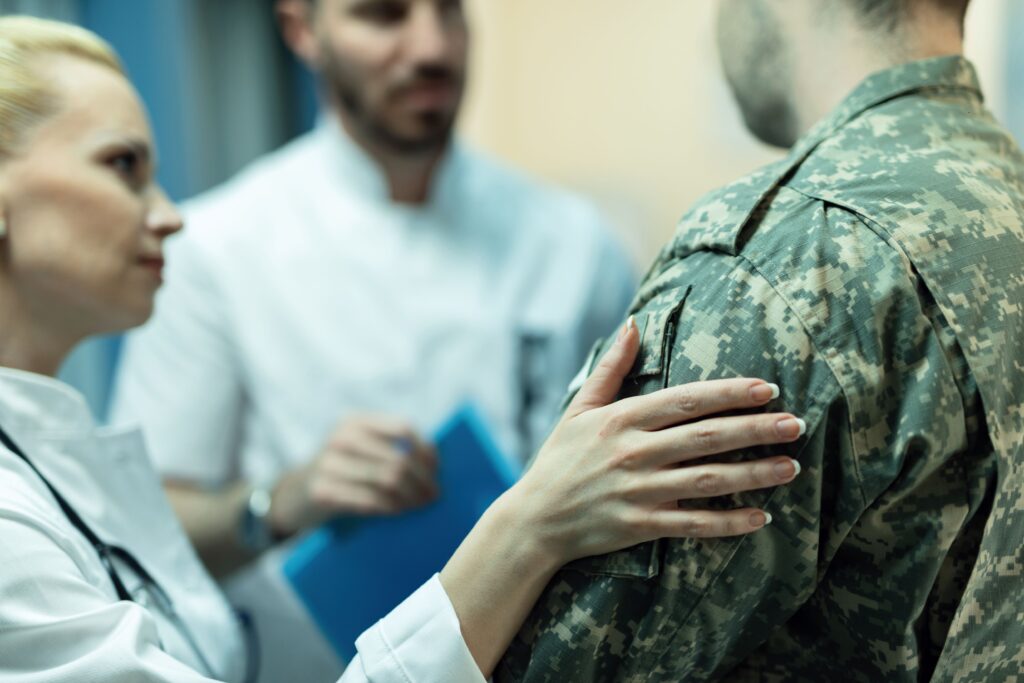
Understanding PTSD? Definition and Symptoms
Post-Traumatic Stress Disorder (PTSD) is a mental health condition that can develop after an individual has experienced or witnessed a traumatic event. Although often associated with military veterans, PTSD can also affect anyone who has encountered life-threatening situations, such as natural disasters, accidents, assaults, or serious illness.
Defining PTSD:
PTSD is characterized by intense feelings of fear and helplessness following trauma, leading to significant distress and difficulty functioning in daily life. It disrupts emotional well-being and may manifest long after the initial triggering event.
Understanding PTSD Symptoms:
The symptoms of PTSD are generally categorized into four main groups:
1. Intrusive Thoughts: These include recurrent memories of the trauma, flashbacks where one feels as though they are reliving the experience, and distressing dreams related to the traumatic event.
2. Avoidance: Individuals may avoid reminders of the trauma or places that trigger memories. This can extend to avoiding conversations about the traumatic events or even distancing themselves from loved ones who may bring up painful memories.
3. Negative Changes in Mood and Thought Patterns: Affected individuals might experience persistent negative thoughts about themselves or others, feelings of hopelessness regarding the future, detachment from family and friends, difficulty experiencing positive emotions such as joy or love—and even loss of interest in activities once enjoyed.
4. Hyperarousal Symptoms: This includes heightened responses like being easily startled; feeling tense; having angry outbursts; trouble sleeping; or experiencing difficulties concentrating.
Recognizing these symptoms early on is crucial for seeking appropriate help—whether through therapy modalities like Cognitive Behavioral Therapy (CBT), Eye Movement Desensitization and Reprocessing (EMDR), group therapy settings that foster connections among peers facing similar challenges—which have shown effectiveness in alleviating PTSD symptoms over time.
In addition to traditional therapies and counseling sessions tailored specifically for veterans’ unique experiences—holistic approaches like mindfulness practices yoga meditation alongside medication prescribed judiciously based on individualized needs must be explored comprehensively within treatment protocols aiming at fostering effective coping strategies thereby empowering them toward thriving lives post-trauma while instilling hope along their healing journey.
Causes of PTSD in Veterans
Understanding PTSD casues can vary significantly, often rooted in the high-stress environments they encounter during their service. Common triggers include exposure to combat situations, witnessing death or serious injury, being subjected to life-threatening situations, and enduring sexual assault or harassment. These experiences can lead to a profound sense of helplessness and despair.
Moreover, additional factors such as pre-existing mental health conditions, the intensity and duration of deployment, lack of social support systems upon returning home, and difficulty readjusting to civilian life may further exacerbate PTSD symptoms in veterans. The stigma surrounding mental health issues within military culture can also discourage many from seeking help early on.
Understanding PTSD root causes is crucial for developing effective prevention strategies that address not only the symptoms but also the underlying vulnerabilities. Community programs focused on building resilience among service members before deployment through stress management training can be beneficial. Additionally, initiatives promoting peer support networks post-service offer veterans outlets for shared experiences which normalize feelings associated with trauma while reducing isolation.
The Importance of Seeking Help
Many individuals in the military may view seeking help as a sign of weakness, which can perpetuate cycles of struggle and stigma. Educating service members about the mental health resources available to them and fostering an environment where reaching out for help is seen as a strength rather than a liability is essential.
Encouraging open conversations around understanding PTSD and mental health within military circles can also play a significant role in breaking down barriers. By sharing stories of recovery and resilience, leaders can inspire others to take that crucial first step towards healing. Workshops and training programs designed to enhance emotional intelligence and coping strategies are vital in empowering service members not only to recognize their own struggles but also to support each other effectively.
Furthermore, integrating mental health education into regular training exercises could normalize discussions surrounding psychological well-being from the very beginning of one’s military career. This proactive approach helps create a culture where seeking assistance becomes part of standard operating procedure rather than an exception.
In addition, collaboration with civilian organizations specializing in mental health care expands access points for veterans transitioning back into civilian life. Ensuring these services are tailored specifically for veterans’ unique experiences—such as combat-related trauma or PTSD—is paramount for effective treatment.
Finally, family involvement should not be overlooked; educating spouses and loved ones on signs of distress fosters supportive home environments conducive to recovery. When families understand how best to provide encouragement while recognizing when professional intervention is necessary, it creates robust support systems critical in reducing feelings of isolation often experienced by those affected by trauma.
Ultimately, addressing mental health issues through comprehensive community-based solutions represents our commitment not only toward enhancing individual lives but also building stronger communities resilient enough to face challenges together. By prioritizing wellness among those who served our country valiantly, we honor their sacrifices while ensuring they receive the dignity and respect they deserve long after their service has ended.
Coping Strategies for Daily Life
Coping with daily life can be particularly challenging for those grappling with the shadows of PTSD. One underappreciated strategy is the art of mindfulness. Instead of simply rushing through tasks, try to be present in each moment. Whether it’s savoring a cup of coffee or taking a stroll outdoors, focusing on your senses can ground you and mitigate stress. This practice doesn’t have to feel daunting; start small by dedicating just five minutes a day to breath awareness or observing your surroundings. Another refreshing approach is embracing creative outlets as emotional release valves. Art, writing, or even gardening can serve as therapeutic avenues for processing thoughts that may otherwise linger unspoken within you. Engaging in these activities not only fuels self-expression but also fosters a sense of accomplishment and joy—a powerful antidote to anxiety and distress. Lastly, building connections with supportive friends or participation in community groups can create an invaluable network where shared experiences lessen feelings of isolation. Each interaction becomes a thread in the fabric of healing, offering affirmation that you’re not alone on this journey—every small step is significant.
Final Thoughts: Hope and Recovery Are Possible
In conclusion, understanding PTSD in veterans is a crucial step towards fostering hope and recovery. It’s important to recognize that healing is not only possible but also achievable with the right support and resources. As we continue to raise awareness, we can help break down the stigma surrounding mental health and encourage those who are struggling to seek help. Remember, every journey is unique, and small steps can lead to significant changes. Let’s come together as a community to support our veterans on their path to recovery—because everyone deserves a chance at a brighter future!

Infographic provided by Veteran Car Donations, a top company for Texas car donations
