In an age where every cough and sneeze can spark concern in parents, understanding kids’ immune health is more crucial than ever. The immune system serves as a child’s first line of defense against illnesses, playing a fundamental role in their overall development and well-being. A robust immune system ensures that little ones can explore, learn, and play without the constant hindrance of infection. But how well do we really know the inner workings of this intricate system?
The immune system in children differs significantly from that of adults, as it is still developing and adapting. This unique aspect means that kids are not only more susceptible to germs but also exhibit a fascinating resilience as they grow. With each encounter, their immune system learns and strengthens, laying the groundwork for a healthier future. In this article, we’ll explore the secrets to nurturing that delicate balance — arming parents with essential knowledge on how to support their child’s immune system function through nutrition, sleep, physical activity, and more. Join us on this enlightening journey to empower your child’s health for years to come!

Understanding the Immune System
The immune system in children is a remarkable and complex network of cells, tissues, and organs that work together to defend against infections and diseases. Key components include white blood cells, antibodies, and lymphatic tissues like the spleen and thymus. White blood cells, for example, act as the body’s frontline soldiers — they identify and neutralize pathogens, ranging from bacteria to viruses. In kids, these defenders are still maturing, which means their immune responses can be quite different from those of adults, especially when it comes to developing childhood immunity.
One of the most notable differences between children’s and adults’ immune systems is their exposure to pathogens. Children, especially infants and toddlers, are often encountering new germs for the first time, so their immune systems are learning on the job. This process is why young children might experience more frequent colds or infections than adults. While this may appear alarming, it is actually an important part of their immune system development. Each encounter helps children build a more robust defense, making their immune systems stronger over time.
Physical Activity and Immunity
Physical activity plays a crucial role in bolstering kids’ immune health, acting like a natural defense mechanism against illness. Exercise stimulates the circulation of immune cells in the body, which enhances their ability to fight off infections and diseases. Simply put, when children engage in regular physical activities, they’re not only building stronger muscles and improving their overall fitness but also giving their immune systems a helping hand. This is particularly important in the face of environmental factors, such as pollution and allergens, which can compromise a child’s health.
The Impact of Stress on Kids’ Immunity
Stress, often considered an adult phenomenon, can significantly affect children as well. Understanding stress and its effects on kids is vital for maintaining their immune health. Just like adults, children experience stressors that can range from academic pressures to social dynamics, and even family-related issues. When children are exposed to chronic stress, it can lead to a host of physical reactions, including the release of stress hormones, which may compromise their immune systems. A weakened immune system can make kids more susceptible to infections and illnesses, illustrating the close link between emotional well-being and overall health.
Common stressors for children can vary by age and individual circumstances. For younger children, separation anxiety, changes in routine, or new school environments can be particularly overwhelming. For older kids and teens, academic pressures, peer relationships, and social media dynamics frequently come into play. It’s crucial for parents and caregivers to recognize these stressors and engage in open, supportive conversations with their children. Encouraging kids to express their feelings can provide a much-needed outlet and help in reducing anxiety.
Nutrition’s Role in Immunity
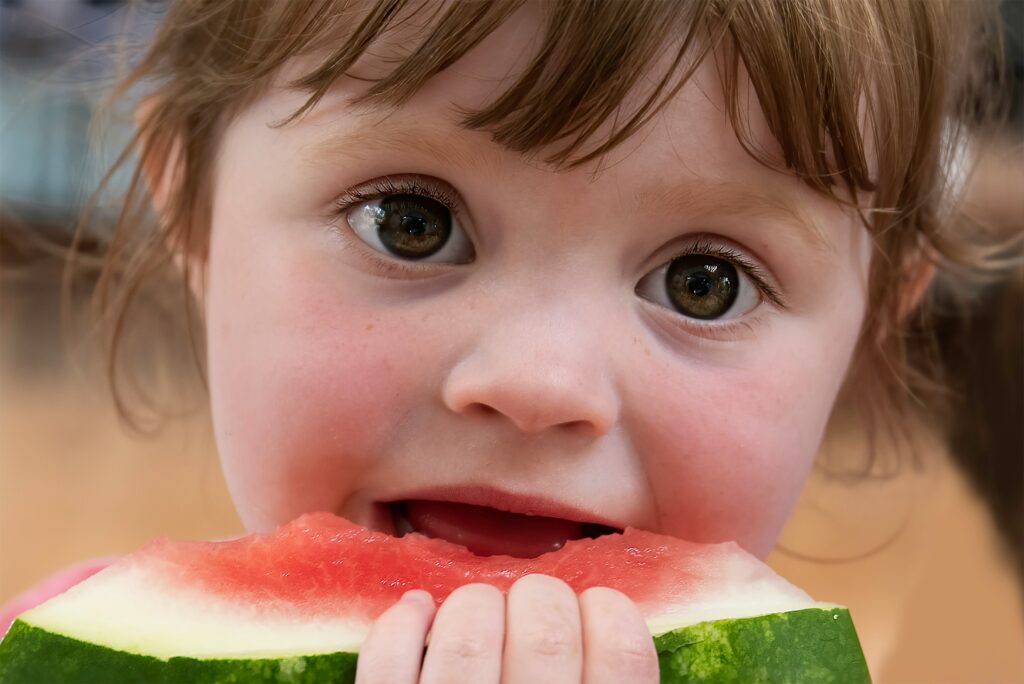
Nutrition plays a critical role in bolstering children’s immune systems, providing them with the building blocks necessary for optimal health. Essential vitamins and minerals such as vitamin C, vitamin D, zinc, and probiotics act as powerful allies in fighting off infections. For instance, vitamin C, found in citrus fruits and bell peppers, is renowned for its ability to boost the production of white blood cells, which are vital in defending against pathogens. Similarly, zinc, often sourced from nuts and seeds, supports the immune system by aiding in the development and function of immune cells. By incorporating these nutrients into their diets, parents can help fortify their children’s natural defenses and enhance overall health.
A balanced diet rich in whole foods not only supports immune function but also contributes to children’s growth and development. When kids consume a variety of fruits, vegetables, whole grains, and lean proteins, they equip their bodies with the nutrients necessary to thrive. For example, leafy greens like spinach and kale are stacked with antioxidants that help reduce inflammation, while lean proteins such as chicken and fish provide essential amino acids for tissue repair and growth. By modeling positive eating habits and encouraging diverse food choices, parents can instill a lifelong appreciation for nutrition and its impact on immunity.
Environmental Factors
The environment in which children grow and play can have a significant impact on their immune health. Studies have shown that exposure to pollution and toxins, such as heavy metals and pesticides, can compromise children’s immune systems, making them more susceptible to illnesses. For instance, children living in areas with high levels of air pollution may experience increased respiratory issues, which subsequently can weaken their overall immunity. Ensuring a clean and nurturing environment is crucial in combating these risks and fostering optimal immune development.
Creating a haven at home can be a straightforward yet effective way to protect your child’s health. This includes using non-toxic cleaning products, which can minimize hexavalent chromium and other harmful chemicals in your living space. Additionally, incorporating plants indoors can improve air quality naturally, offering a dual benefit of aesthetic pleasure and a healthier atmosphere. Simple steps, like regularly changing air filters and avoiding smoking indoors, can drastically reduce a child’s exposure to environmental toxins.
Common Illnesses and Immunity
Supporting a child’s recovery from illness involves several proactive steps. First and foremost, ensure they receive plenty of fluids, as hydration plays a vital role in the healing process. Nutritious meals, rich in vitamins and minerals, can also help bolster their immune response. Rest is equally critical; encouraging your child to nap or engage in quiet activities can expedite recovery. Simple comforts like warm soups or a cozy blanket may not only provide physical relief but also emotional reassurance, helping to create a soothing environment conducive to healing.
Lastly, once your child is on the mend, it’s a good idea to gradually ease them back into regular activities. This approach allows their body to regain strength without overwhelming their still-recovering immune system. By staying vigilant and taking a supportive role during periods of illness, parents can significantly contribute to their child’s immune health and overall well-being.
Fostering Strong Immune Health in Children
In summary, understanding and nurturing your child’s immune health is essential for their overall well-being. We’ve explored the crucial components of the immune system, the impact of nutrition, the importance of adequate sleep, and the role of physical activity and emotional wellness in strengthening immunity. By taking proactive steps, parents can significantly contribute to their kids’ immune health, ensuring they have the tools needed to thrive.
Ultimately, a strong immune system is not just about preventing illness; it’s about empowering your children to lead healthy, active lives. As parents and caregivers, your commitment to these practices will lay the foundation for lifelong wellness. Remember, every small effort counts in cultivating a robust immune system for your children — after all, a healthy child is a happy child!
