Plastic surgery is a significant decision that can impact both physical appearance and emotional well-being. While some people seek out cosmetic procedures to address aesthetic concerns, others turn to plastic surgery for medical reasons, such as correcting functional issues or improving health. Understanding when it might be the right choice requires more than just looking in the mirror—it involves assessing motivations, expectations, and potential outcomes.
Persistent Physical Concerns
Everyone has physical features they may not love, but some concerns can go beyond simple dissatisfaction. For instance, a nose that’s noticeably asymmetrical or a scar that significantly affects self-esteem may warrant surgical intervention. In such cases, plastic surgery can provide a solution that enhances not just appearance but overall confidence.
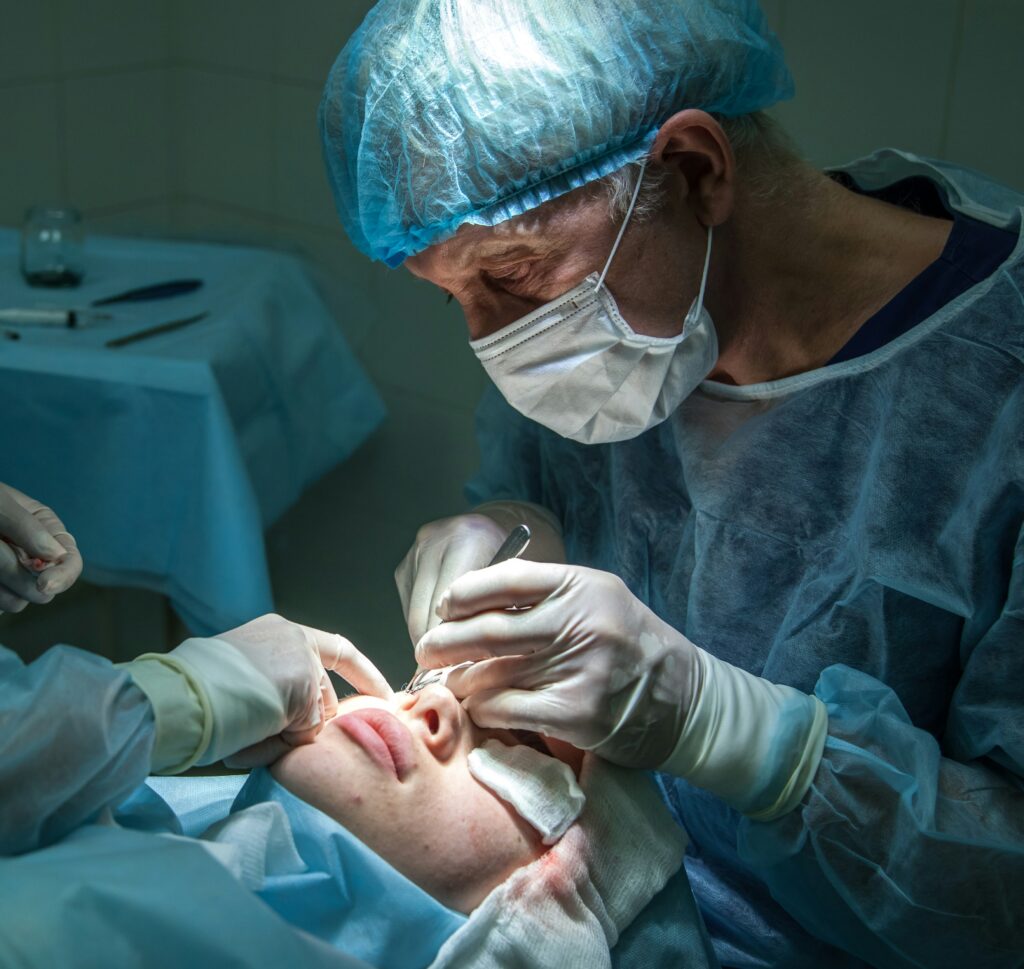
Take rhinoplasty, for example. While it is often associated with reshaping the nose for aesthetic purposes, it can also correct structural issues that impact breathing. A skilled plastic surgeon can assess whether a nose job is purely cosmetic or if there is a functional reason for the procedure, such as a deviated septum.
Medical Reasons and Functional Improvements
Plastic surgery isn’t just about aesthetics. Some procedures can significantly improve a person’s quality of life. For instance:
- Breast Reduction: For individuals experiencing chronic back pain due to overly large breasts, reduction surgery can alleviate discomfort and improve posture.
- Eyelid Surgery (Blepharoplasty): Drooping eyelids can interfere with vision. Correcting this issue can enhance both appearance and eyesight.
- Facial Reconstruction: Following trauma, burns, or accidents, reconstructive surgery can restore lost function and rebuild damaged areas.
In these cases, the decision to undergo plastic surgery is often driven by the need to correct a medical issue rather than simply enhancing physical appearance.
Emotional Readiness and Realistic Expectations
Plastic surgery can be life-changing, but it is not a cure-all for deeper emotional issues. Before committing to a procedure, it is crucial to assess emotional readiness and ensure that expectations align with reality.
Those considering plastic surgery should ask themselves:
- Is this decision motivated by a desire for personal satisfaction or to please someone else?
- Are the expected results realistic?
- Is the goal to feel more confident, or is it to look like someone else entirely?
Surgeons often recommend consulting with a mental health professional before proceeding, especially for those with a history of body dysmorphic disorder or unrealistic expectations. Understanding the true motivations behind the desire for surgery can prevent disappointment and ensure that the outcome aligns with personal goals.
Physical Health and Surgical Candidacy
Not everyone is a suitable candidate for plastic surgery. Factors such as age, overall health, and lifestyle habits can significantly impact the success of a procedure and the recovery process.
Common considerations include:
- Chronic Health Conditions: Conditions such as diabetes, high blood pressure, or cardiovascular disease can complicate surgery and recovery.
- Smoking: Smoking can impair healing and increase the risk of complications. Many surgeons require patients to quit smoking before surgery.
- Weight Fluctuations: Significant weight changes after surgery can affect the results, particularly for procedures like tummy tucks or liposuction.
Patients are usually required to undergo a comprehensive medical evaluation to determine whether they are physically fit for surgery. In some cases, lifestyle changes may be recommended to improve surgical outcomes.
Time and Financial Commitment
Plastic surgery is a considerable investment of both time and money. While some procedures may be relatively quick and minimally invasive, others require extended recovery periods and follow-up appointments.
Before committing to surgery, consider:
- Recovery Time: Healing can take weeks or even months, depending on the procedure. Taking time off work or arranging for assistance at home may be necessary.
- Costs and Financing: Procedures can be costly, and many are not covered by insurance unless deemed medically necessary. Understanding the full financial commitment, including potential follow-up procedures, is crucial.
- Aftercare: Some surgeries require ongoing maintenance or touch-up procedures to maintain results, further adding to the financial and time investment.
The Right Surgeon and Facility
Choosing a qualified, board-certified plastic surgeon is one of the most critical aspects of the decision-making process. A reputable surgeon will not only have the necessary credentials but will also prioritize patient safety, clear communication, and realistic outcomes.
Key factors to consider when selecting a surgeon include:
- Credentials and Experience: Look for board certification and specialization in the desired procedure.
- Portfolio and Before/After Photos: Reviewing a surgeon’s previous work can provide insight into their skill and aesthetic approach.
- Patient Reviews and Testimonials: Feedback from past patients can reveal valuable information about the surgeon’s bedside manner and post-operative care.
Additionally, ensuring that the procedure takes place in an accredited facility can minimize risks and ensure access to emergency care if needed.
Social and Lifestyle Considerations
Plastic surgery can also have social implications. While some people openly discuss their procedures, others prefer to keep it private. Considering how a potential change may impact personal relationships and social interactions can be an important step in the decision-making process.
For instance, a person undergoing a dramatic facial transformation may face questions or reactions from friends, family, or colleagues. Being mentally prepared for such interactions can make the recovery period smoother and reduce potential stress.
Long-Term Implications and Maintenance
Plastic surgery results are not always permanent. Factors such as aging, weight fluctuations, and lifestyle habits can impact the longevity of the results. Understanding the potential need for maintenance procedures can help in setting realistic expectations.
For example:
- Breast Implants: Implants may need to be replaced or adjusted over time due to factors like capsular contracture or implant rupture.
- Facelifts: While facelifts can provide a youthful appearance, the natural aging process continues, and touch-up procedures may be necessary.
- Liposuction: Maintaining a stable weight is essential to preserving the results of liposuction.
Discussing long-term plans with the surgeon can provide a clearer picture of what to expect in the years following the procedure.
Making the Right Choice
Deciding to undergo plastic surgery is a deeply personal choice that involves much more than appearance. While some people seek surgery to address specific physical concerns, others are motivated by medical reasons or the desire to feel more confident in their skin.
