When I think about the most important ingredients for a happy family, I can’t help but include a generous dash of love, a sprinkle of laughter, and, of course, a whole lot of cooking! You see, relationships are like soufflés; they need the right amount of air (or in this case, time spent together) to rise. As parents, caregivers, and educators, we often juggle a million things at once — work, school, and that never-ending laundry pile — but if we want to create lasting bonds with our children, we need to whip up some family cooking activities. Trust me, nothing brings folks together quite like the sweet aroma of freshly baked cookies or the delightful chaos of flour flying everywhere during children’s cooking lessons.
Picture this: you and your kids huddled around the kitchen counter, flour on your faces and giggles escaping as you try to decipher that Pinterest recipe that promised to be “easy.” It’s in these moments, amidst the spills and the playful sibling bonding, that true connections are formed. Cooking is not just about putting food on the table; it’s about sharing experiences, learning teamwork, and discovering each other’s unique flavors. So grab your aprons, and let’s dive into the delicious world of cooking lessons that not only feed our bellies but also nurture our hearts! You won’t want to miss the tips and tricks I have in store to help you turn your kitchen into a hub of joy and bonding.
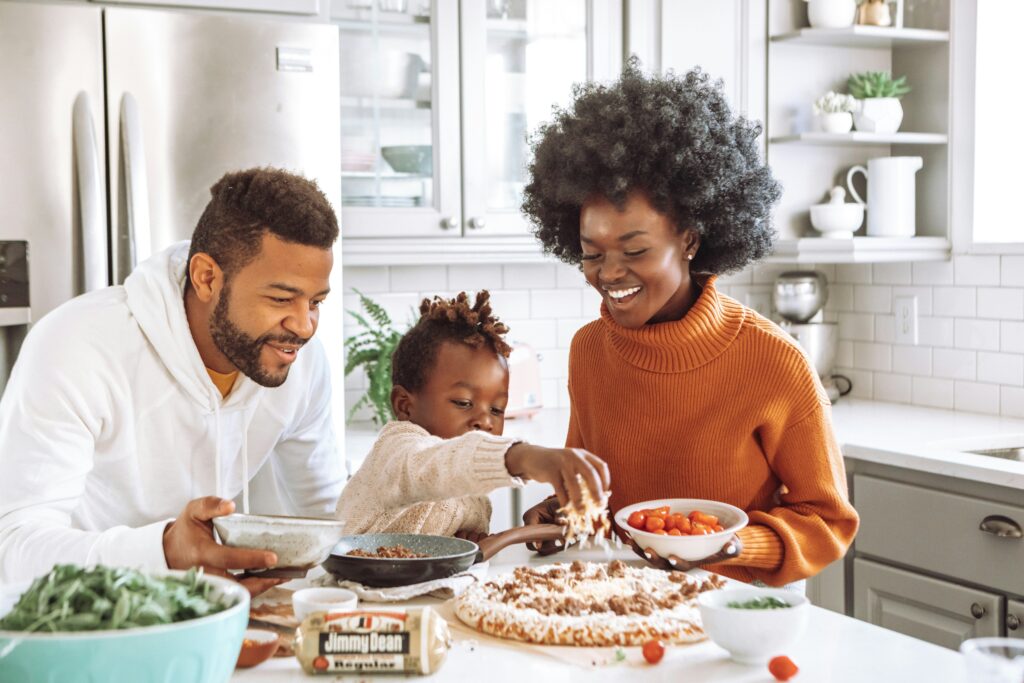
The Benefits of Cooking Together
Gather ‘round, folks! When it comes to bonding with the kiddos, nothing beats the magic that happens in the kitchen. Children’s cooking lessons aren’t just about whipping up a batch of cookies (though let’s be honest, cookies are always a win). They’re about enhancing teamwork and cooperation skills in a fun and delicious way. Picture your little ones strategizing over who gets to stir the pot while someone else measures the flour. Suddenly, they’re not just siblings; they’re a culinary dream team! It’s amazing how a shared goal, like not burning the pasta, can transform squabbles into giggles.
Cooking together is like a crash course in communication and problem-solving. When you’re elbow-deep in dough and the recipe calls for a missing ingredient (cue the dramatic gasp), it’s showtime! Kids learn to brainstorm solutions faster than you can say “Where’s the salt?” They might suggest substitutions, like using applesauce instead of eggs. What started as a mini-crisis morphs into an opportunity for creative thinking and collaboration. Plus, they get to practice asking questions — “Can I add sprinkles now?” — and negotiating roles without any adult intervention. It’s basically like a mini United Nations meeting, but with more chocolate chips.
And let’s not forget the creative juices flowing in the kitchen! Cooking is a beautiful outlet for self-expression. Those children’s cooking lessons aren’t just about following recipes; they’re about letting imaginations run wild. Maybe your child decides that their pizza should have pineapple and gummy bears (hey, who am I to judge?). Encouraging them to put their unique spin on dishes fosters a sense of ownership and pride. Not only do they get to explore new flavors, but they also learn that it’s okay to be different — and that creativity is something worth celebrating. So, whether it’s crafting crazy combinations or decorating cupcakes like Picasso, cooking becomes a canvas for their culinary masterpieces!
Essential Life Skills Learned Through Cooking
When it comes to cooking, there’s more on the menu than just a delightful meal. As my kids and I huddled around the kitchen counter, flour flying everywhere, I realized we were actually serving up a buffet of essential life skills. First up, basic cooking techniques and safety practices. Who knew that wielding a spatula could be an opportunity for lessons on knife safety? My youngest once learned this the hard way when he mistook a chef’s knife for a sword during one of our fun recipes for siblings nights — cue dramatic gasps and a lesson in “knives are not toys!” By teaching them how to handle kitchen tools properly, I’m not just preventing accidents; I’m instilling confidence and responsibility.
Then we have nutritional knowledge, which is as important as knowing how to sauté onions without setting off the smoke alarm. Cooking together has become our little health class where we dissect ingredients, exploring what makes a balanced diet. My kids love playing “guess the vegetable” while chopping up colorful bell peppers and leafy greens. Not only does this promote healthy eating habits, but it also sparks discussions about why we should choose quinoa over white rice sometimes (spoiler alert: it’s not just because it sounds fancy). Plus, when they help select and prepare meals, they’re more likely to eat their greens — win-win!
Time management and organization in the kitchen? Oh boy, that’s a biggie! Picture this: we’re preparing a three-course meal for family night, and chaos ensues as the pasta boils over while the chicken is still frozen solid. These moments are prime opportunities to teach the kids about planning ahead — like checking if the chicken needs thawing before diving into our culinary adventure. We’ve set timers, made lists, and even created a cooking schedule. It might feel like we’re running a Michelin-star restaurant at times (albeit a messy one), but these skills translate far beyond the kitchen. They’re learning to juggle multiple tasks, prioritize what needs doing first, and work as a team — communication through cooking has never been so crucial!
Overcoming Challenges in the Kitchen
Ah, the kitchen: a place of culinary creativity and, let’s be honest, potential chaos. You might think cooking together is all about whipping up delicious dishes and bonding over flour-covered counters, but let’s face it — conflicts can arise faster than you can say “Where did I put the measuring cups?” Whether it’s a disagreement over who gets to stir the pot (hint: it should probably be the one not wearing a chef hat made from tin foil) or a heated debate about whether pineapple belongs on pizza (spoiler alert: it does!), managing these conflicts is part of the fun. Teaching kids how to navigate disagreements while cooking can be a valuable lesson in teamwork and cooperation, as they learn to voice their opinions respectfully and find common ground.
Patience and compromise are the secret ingredients that make any cooking experience more enjoyable. For instance, if your little chef insists on adding an unholy amount of garlic to a dish while you’re trying to keep it kid-friendly, use this moment as a teaching opportunity. Encourage them to try a small pinch first and taste-test together before going all-in on the garlic love. This not only fosters a sense of ownership in their cooking but also teaches them the art of compromise. By demonstrating how to approach these situations with a sense of humor and flexibility, you’ll be setting them up for success both in and out of the kitchen.
Now, let’s talk about those reluctant siblings who would rather binge-watch a cartoon than join in on your children’s cooking lessons. It’s not uncommon for one child to be a budding chef while another prefers to stay on the couch. To entice them into the culinary adventure, consider introducing themed cooking nights that cater to their interests. If one child is obsessed with dinosaurs, why not create “Jurassic Jamboree Pizza Night” where they can craft dino-shaped pizzas? Or maybe host a “Superhero Smoothie Challenge” where each sibling concocts their own healthy drink inspired by their favorite superhero. Tapping into their passions makes the kitchen feel less like a chore and more like an exciting mission!
Wrap It Up: Cooking Up Connections
As we’ve whisked our way through the importance of family cooking lessons, it’s clear that the kitchen is more than just a place to prepare meals; it’s a stage for creativity, teamwork, and laughter. Whether you’re battling over the last chocolate chip or trying to decipher who put too much salt in the soup (sorry, Uncle Bob), these moments create lasting bonds that go beyond the dinner table. Children’s cooking lessons are a fantastic way to teach life skills while making memories that will be cherished long after the flour has settled.
So, why not don those aprons and dive into the culinary chaos today? Start with simple recipes, throw in some themed nights, and before you know it, you’ll have a mini cooking school right in your home. Who knows? You might even find that sibling rivalry turns into sibling camaraderie as you chop, sauté, and bake your way to stronger relationships. Let’s stir up some fun and create delicious memories together — after all, nothing brings people closer than a little friendly competition over who can make the fluffiest pancakes!

One comment on “Children’s Cooking Lessons: Create Lasting Bonds Together”