Somewhere along the way, we seem to have developed the idea that the best parts of life are the big things. The vacations, celebrations, milestones, beautifully decorated homes, and memorable experiences deserve their own photographs and stories. Ordinary Tuesday afternoons? Those tend to get overlooked.
But most of our lives aren’t made up of big moments. They’re made up of ordinary ones.
They’re the first sip of coffee in the morning, the relief of changing into comfortable clothes after a long day, a conversation that lasts longer than expected, or the moment you discover that the leftovers in the refrigerator are actually enough for dinner. Small victories count, and I will happily celebrate any meal that doesn’t require another trip to the grocery store.
I’ve come to think that enjoying life has less to do with making every day extraordinary and more to do with noticing what is already good about an ordinary one.
That doesn’t mean pretending everything is wonderful. Some days are hard. Some seasons are exhausting. Sometimes the coffee gets cold, the plans fall apart, and the person in front of you at the store appears to be paying for groceries using a complicated international banking arrangement.
Life is not always charming.
Still, there are often little moments worth noticing, even when the bigger picture is complicated.
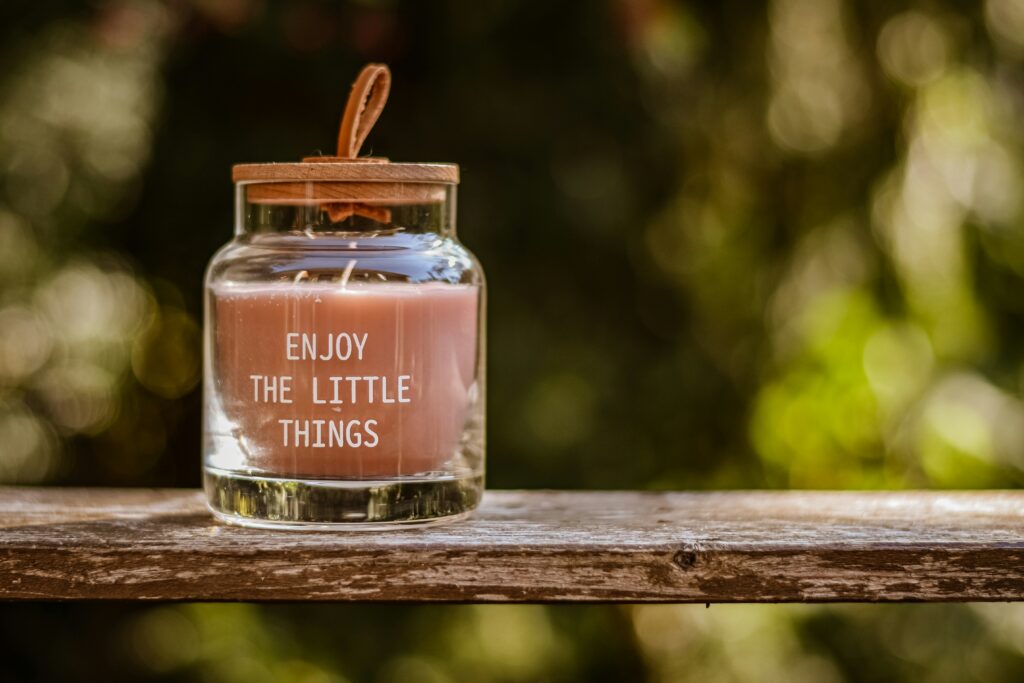
Stop Waiting for the Perfect Time
It’s tempting to believe that we’ll enjoy life more once everything settles down. Once the house is organized, the finances are in better shape, the work project is finished, the children are older, or the calendar finally looks manageable.
But life has a curious habit of replacing finished responsibilities with new ones.
There will always be something to clean, something to arrange, something to save for, and something we meant to do last week. If we wait until every loose end is tied, we may spend a very long time waiting.
Enjoying ordinary life doesn’t require perfect circumstances. It asks us to notice the good things that coexist with the imperfect ones.
You can appreciate a sunny afternoon while your laundry is unfinished. You can laugh with a friend while you’re dealing with a difficult decision. You can enjoy a meal without having your entire week organized.
You don’t have to earn the right to enjoy the present by first getting everything else under control.
Pay Attention to the Things You Usually Rush Past
How often do you move through a familiar day without really noticing it? You make breakfast while checking messages, drive somewhere while thinking about the next appointment, and finish one task while mentally preparing for three more.
Our minds are remarkably good at being somewhere other than where we are.
One simple way to enjoy everyday life more is to choose a few moments each day when you deliberately pay attention. Notice the warmth of your mug, the smell of rain, the sound of birds outside, or the way the light falls across a room in the afternoon.
You don’t need to turn every experience into a mindfulness exercise. You don’t even need to use the word mindfulness if it makes you feel as though you should be sitting cross-legged on a mountain.
Just be present occasionally.
When you’re talking to someone you care about, listen instead of planning your response. When you’re outside, look around instead of immediately reaching for your phone. When you’re eating something you enjoy, give yourself a few minutes to taste it.
These moments may seem insignificant, but they are the actual substance of everyday life.
Make Ordinary Things Feel a Little Special
You don’t need an expensive purchase or an elaborate plan to make a regular day feel different.
Use the pretty dishes instead of saving them for guests. Light a candle during dinner on an ordinary Wednesday. Put fresh flowers on the table, even if they’re inexpensive grocery-store flowers. Play your favorite music while you fold laundry, because folding laundry is already asking a lot of you.
Wear the outfit you like instead of waiting for a special occasion. Take the scenic route when time allows. Make a favorite breakfast on a weekend morning simply because you can.
There is a difference between appreciating what you have and refusing to enjoy it until some imaginary future occasion arrives.
Of course, there is nothing wrong with saving money, protecting special items, or planning meaningful celebrations. The point isn’t to treat every day like a holiday. It’s to stop treating ordinary days as though they don’t count.
They count. They’re most of the days we get.
Learn to Enjoy Your Own Company
Being comfortable alone is a useful skill, even if you’re someone who loves being around other people.
You don’t have to fill every quiet moment with a phone call, a podcast, background television, or another task. Sometimes it’s nice to have a little space in which nobody needs anything from you.
Take yourself for a walk. Browse a bookstore. Sit outside with a drink. Cook something you like. Work on a hobby that doesn’t need to produce anything impressive.
If being alone feels uncomfortable at first, start small. You don’t have to plan an entire solo weekend away. Ten minutes of quiet can be a perfectly respectable beginning.
The goal isn’t isolation. Relationships are important, and time with people we love can bring tremendous happiness. But learning to enjoy your own company means your entire sense of well-being doesn’t have to depend on someone else’s availability.
You can be good company for yourself, too.
Stop Comparing Your Ordinary Day With Someone Else’s Highlight Reel
Social media can be a lovely place to find inspiration, keep up with friends, and discover ideas. It can also make an ordinary life look remarkably unimpressive.
Someone is always taking a beautiful trip, finishing a renovation, hosting a dinner party, or waking up in a bedroom that apparently has never encountered a laundry basket.
Meanwhile, you’re trying to remember whether you put the wet clothes in the dryer or simply moved them from one side of the washing machine to the other.
The comparison is unfair because you’re looking at two very different things: your entire everyday experience and a small, selected portion of someone else’s.
You don’t see every inconvenient detail behind a photograph. You don’t know what was postponed, what went wrong, or how much effort it took to create that moment.
When scrolling leaves you feeling dissatisfied with your own life, take a break. Follow accounts that make you feel inspired rather than inadequate, and remind yourself that a meaningful life doesn’t have to be particularly photogenic.
A quiet evening at home may not attract much attention online. It can still be a very good evening.
Keep a Small Record of Good Things
You don’t need a complicated gratitude journal with color-coded categories and a carefully maintained streak. If that sounds enjoyable, go for it. If it sounds like one more thing to remember, try something simpler.
At the end of the day, think of one thing you enjoyed. It might be a funny conversation, a delicious lunch, a task you finally finished, or a few peaceful minutes before the house woke up.
You can write it down, tell someone about it, or simply take a moment to remember it.
The purpose isn’t to convince yourself that every day is wonderful. It is to make room for the things that are good without ignoring the things that are difficult.
Gratitude and frustration can exist at the same time. You can be thankful for your home and tired of cleaning it. You can love your family and need a little quiet. You can appreciate your job and wish you had more time away from it.
Recognizing the good doesn’t require denying the hard.
Let Go of the Pressure to Be Happy All the Time
There’s one thing I think we need to remember when talking about enjoying the little things: happiness is not a permanent state we should be able to maintain if we’re doing life correctly.
You can practice gratitude, spend time outside, nurture relationships, and make your home comfortable, and still have a bad day. You can appreciate your life while feeling disappointed, worried, tired, or sad.
That is normal.
The goal isn’t to become a person who is endlessly cheerful. Frankly, that sounds exhausting for everyone involved.
The goal is to create a life with more room for the things that matter to you. It might mean slowing down enough to notice a beautiful sunset. It might mean making time for people you love. It might mean letting yourself enjoy a quiet evening without feeling guilty about everything you didn’t accomplish.
Some days will feel lovely. Others will simply be ordinary. And a few will be downright difficult.
You don’t have to extract a lesson or a silver lining from every experience. Sometimes a hard day is just a hard day, and going to bed is the most sensible thing you can do.
Final Thoughts: Ordinary Is Not the Same as Unimportant
I don’t think we need to make our lives bigger, busier, or more impressive to enjoy them more. Sometimes we need to become a little more attentive to the lives we already have.
Notice the small comforts. Make room for simple pleasures. Spend time with people who make you feel like yourself. Stop postponing every enjoyable thing until your responsibilities are finished.
And when life is difficult, give yourself permission to acknowledge that, too. Appreciating the little things is not about putting a cheerful filter over reality. It’s about recognizing that a life can contain challenges and still have moments of warmth, laughter, beauty, and comfort.
You don’t need a perfect day to find something worth enjoying. You just need to leave a little room to notice it.
People Also Ask
How can I enjoy the little things in everyday life?
Slow down occasionally, pay attention to your surroundings, make time for simple pleasures, and notice small moments that make you feel content. Start with one or two moments a day rather than trying to change your entire routine.
Why is it important to appreciate the little things?
Appreciating everyday experiences can help you recognize what is meaningful in your life rather than focusing exclusively on major achievements or future goals. It can also encourage you to be more present in your daily routines.
How do I enjoy life when I’m stressed?
Start with small, realistic moments of relief, such as taking a short walk, talking with someone you trust, or enjoying a quiet cup of coffee. You don’t have to pretend your stress isn’t real to make room for something pleasant.
