Participation in middle school sports cultivates teamwork, perseverance, and communication — elements that are crucial not only for athletic success but also for academic and personal achievements. These early experiences lay the groundwork for cultivating leadership qualities, as young athletes learn to collaborate, tackle challenges, and support one another in the face of adversity. By harnessing the unique lessons gained through sports, students not only build their physical capabilities but also foster a resilient mindset that will empower them to navigate the ups and downs of life. Join us as we explore the transformative power of middle school sports and the inspiring stories of young athletes who are unlocking their potential on and off the field.
The Role of Teamwork in Development
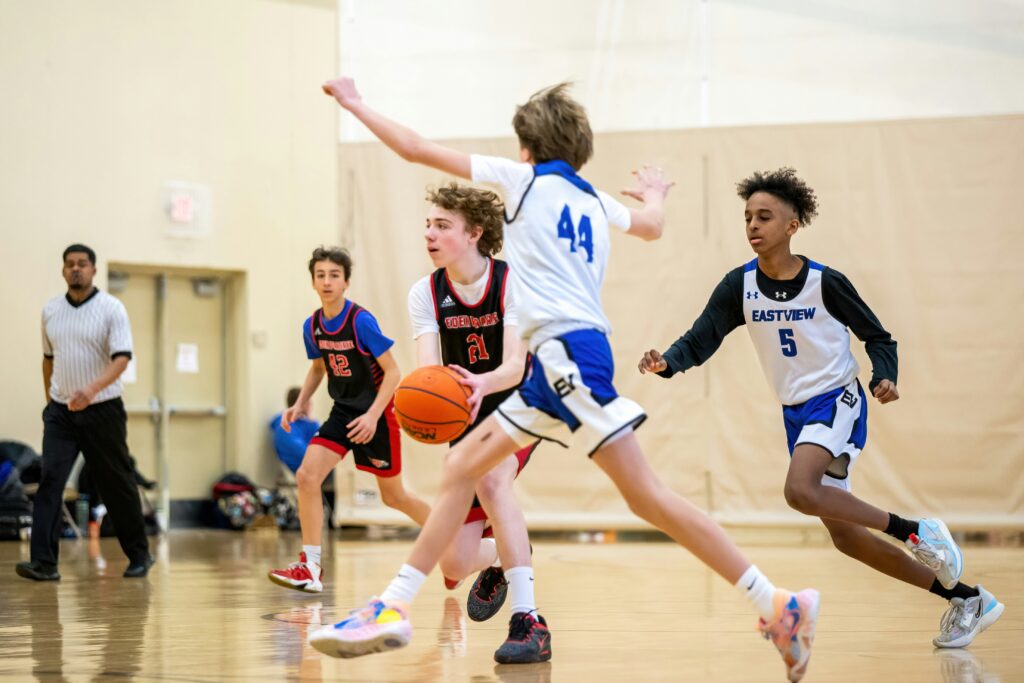
In the world of middle school sports, teamwork emerges as a cornerstone of both athletic success and personal development. Participating in team sports teaches students the importance of collaborative effort; they learn to combine their strengths while supporting each other through challenges. This collaborative spirit not only enhances their performance on the field but also fosters important life skills. For instance, during a volleyball match, players must communicate effectively, anticipate each other’s moves, and adapt to the dynamic pace of the game. These skills are not just vital for winning games — they lay the groundwork for successful interactions in various aspects of life.
The benefits of teamwork extend seamlessly into academic environments. Students who regularly engage in team sports often transfer their collaborative skills to group projects in class. Take, for example, a group of seventh-graders tasked with delivering a presentation. Those with a background in middle school sports may naturally take on roles reflecting their athletic experience: a captain who organizes the workflow, another who encourages quieter teammates to share ideas, and a strategist who focuses on the strongest points to present. This ability to function cohesively sets a foundation for academic success and prepares students for future collaborative endeavors.
Building Perseverance Through Challenges
Participating in middle school sports often immerses young athletes in a world of challenges, from mastering new skills to confronting tough competition. These obstacles are not merely hurdles to surpass; they provide invaluable lessons in perseverance. For instance, imagine a young basketball player struggling to make the team due to a lack of fitness or skill. Through rigorous training and tireless practice, this athlete learns the significance of determination and hard work — a vital trait that extends beyond the basketball court and into the classroom. Such experiences empower students to face academic challenges with the same grit, understanding that setbacks can be stepping stones to success.
Enhancing Communication Abilities
Participating in middle school sports provides a unique platform for developing effective verbal and non-verbal communication skills. Athletes learn quickly that success in games often hinges on clear dialogue among teammates. Whether it’s executing a complex play in basketball or coordinating movements on the soccer field, the ability to express thoughts concisely and listen attentively is paramount. Coaches often emphasize the importance of communication, teaching students how to give constructive feedback and celebrate each other’s efforts, thus strengthening their athletic development both on and off the field.
These communication skills translate seamlessly into classroom discussions and group projects. For example, a student who plays on the volleyball team may find themselves leading a group project on historical events, drawing from their experiences coordinating plays and supporting teammates. The confidence gained from voicing strategies during practices enhances their ability to articulate ideas in a classroom setting. Imagine a shy student, once hesitant to speak up, now confidently suggesting innovative approaches to complex topics — a transformation powered by their athletic involvement.
Fostering a Growth Mindset
In the realm of middle school sports, fostering a growth mindset is crucial for young athletes as they navigate both triumphs and challenges. The concept of a growth mindset, introduced by psychologist Carol Dweck, emphasizes the belief that abilities and intelligence can be developed through dedication and hard work. This philosophy contrasts sharply with a fixed mindset, where individuals believe their talents are innate and immutable. In youth sports, this distinction is vital — the willingness to learn from mistakes and setbacks often determines an athlete’s path to improvement and success.
Resilience and adaptability are key traits cultivated through participation in sports. Athletes routinely face obstacles, whether it’s a tough game, an injury, or a disappointing performance. For instance, a middle school soccer player might miss a crucial penalty kick during a match, facing immediate frustration. However, through coaching and peer support, they learn to approach the next practice with renewed commitment, focusing on improving their technique rather than dwelling on past mistakes. This process mirrors challenges in the classroom — students who embrace growth learn to tackle tough subjects by viewing difficulties as opportunities for improvement.
The Impact of Mentorship from Coaches
Coaches do much more than simply instruct young athletes on the basics of a sport; they serve as pivotal mentors who guide players through various life lessons. The role of a coach extends beyond tactics and plays; it’s about shaping young individuals who are often navigating the complex transition from childhood to adolescence. Through personalized feedback and encouragement, coaches instill a sense of discipline and resilience that benefits athletes in both their sports and academic pursuits. For many middle school students, these relationships can be as formative as those they have with teachers and parents.
Moreover, the impact of positive role models in sports cannot be overstated. Coaches often become figures that young athletes look up to and emulate, embodying the values of hard work, integrity, and sportsmanship. For example, a coach who emphasizes the importance of academic commitment alongside athletic excellence sets a precedent that can resonate deeply with student-athletes. This creates an environment where excellence is associated not just with winning games, but also with achieving academic success.
Academic Success Linked to Athletic Participation
Numerous studies highlight a remarkable correlation between participation in middle school sports and improved academic performance. Engaging in sports provides young athletes the discipline and structure that often translates into their studies. According to research conducted by the National Federation of State High School Associations, students involved in athletics exhibit higher GPAs and lower dropout rates compared to their non-athletic peers. This relationship underscores the idea that the life skills learned on the field, such as focus, determination, and teamwork, can significantly enhance academic success.
In addition to fostering discipline, sports also teach valuable time management skills. Student-athletes must juggle schoolwork, practice, and games, which encourages them to prioritize tasks effectively. Ultimately, the link between middle school sports and academic success is clear. By encouraging students to participate in sports, parents and educators can empower them not only to excel on the field but also to achieve their academic goals. These young athletes learn to balance competing demands while simultaneously fostering essential life skills that benefit them in both their personal and educational journeys.
Harnessing the Power of Middle School Sports for Future Leaders
In conclusion, middle school sports serve as a transformative platform for developing essential life skills that extend far beyond the playing field. By cultivating teamwork, perseverance, leadership, communication, and a growth mindset, these programs equip young athletes with the tools necessary for academic success and personal growth. The lasting impact of these experiences not only shapes them during their formative years but also prepares them to face future challenges with resilience and confidence.
As we witness the profound benefits of youth sports, it is crucial for parents, educators, and community members to rally around these programs and ensure they remain a vital part of our students’ lives. Let us cherish and nurture these opportunities, recognizing the powerful role middle school sports play in fostering the leaders of tomorrow. Together, we can inspire our children to embrace the values learned on the field and carry them into every aspect of their lives.
