Well-trained caregivers are more than just caretakers; they are pivotal figures in a child’s developmental journey. Their interactions can spark curiosity, foster emotional resilience, and enhance social skills. The quality of care children receive directly influences their cognitive and emotional growth. This is why understanding the significance of child care courses is crucial for anyone invested in the well-being of our youngest generation. Join me as we explore how these courses are transforming lives, one child at a time.
The Role of Caregivers in Child Development
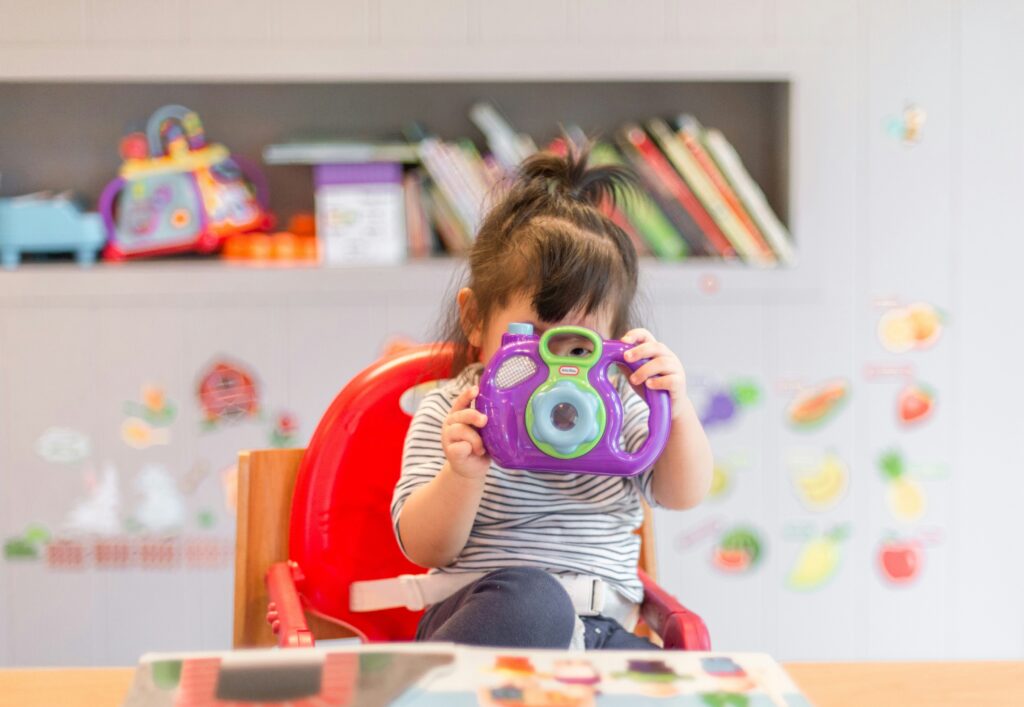
As a parent, I’ve always been acutely aware of the profound influence caregivers have on a child’s development. It’s not just about providing basic needs; caregivers are instrumental in shaping cognitive and emotional growth. Through their interactions, caregivers help children develop essential skills such as problem-solving and emotional regulation. For instance, when a caregiver encourages a toddler to explore different ways to stack blocks, they’re not only fostering cognitive development but also instilling a sense of curiosity and resilience. This kind of engagement is precisely what child care courses aim to teach, emphasizing the importance of intentional interactions that promote learning.
Key Components of Child Care Courses
As I delved deeper into child care courses, it became clear that a robust curriculum is the backbone of effective caregiver training. These programs often incorporate essential child development theories, such as Piaget’s stages of cognitive development and Vygotsky’s social development theory. By understanding these frameworks, caregivers can better appreciate how children learn and grow at different stages. For example, recognizing that toddlers are naturally curious and learn through exploration allows caregivers to create environments rich in sensory experiences, fostering both cognitive and emotional growth.
Cognitive Development Through Structured Learning
As a passionate advocate for early childhood education, I’ve seen firsthand how structured learning environments foster essential cognitive skills in young children. Child care courses play a pivotal role in equipping caregivers with the knowledge and tools necessary to create these enriching experiences. When children engage in structured activities, they are not merely playing; they are developing critical thinking and problem-solving abilities that will serve them throughout their lives. The intentional design of these activities encourages exploration, experimentation, and ultimately, mastery of concepts that might otherwise seem abstract or out of reach.
Building Blocks
One fantastic example of a structured activity is the use of building blocks. When children are provided with various shapes and sizes of blocks, they naturally begin to experiment with balance, symmetry, and gravity. As they stack and create, they are not only engaging in physical play but also honing their spatial awareness and reasoning skills. Caregivers trained through child care courses understand the importance of guiding these interactions by asking open-ended questions like, “What happens if we add another block?” This prompts children to think critically about their actions and results, reinforcing their cognitive development.
Art
Another effective activity is storytelling combined with art. In this approach, caregivers encourage children to create their own stories and illustrate them. This dual activity promotes language skills as children learn to express themselves verbally and in writing while simultaneously exercising their creativity. During this process, caregivers can guide discussions that stimulate analytical thinking, such as exploring characters’ motivations or predicting story outcomes. By participating in such structured learning experiences, children develop not only their cognitive skills but also a love for learning that can last a lifetime.
Challenges Facing Child Care Providers
As I reflect on the landscape of child care, it becomes clear that providers face a myriad of challenges when it comes to implementing effective training programs. One significant obstacle is the lack of time and resources. Many caregivers are already stretched thin with their daily responsibilities, leaving little room for attending child care courses or engaging in ongoing professional development. This time crunch can lead to a cycle where caregivers feel overwhelmed and unable to fully integrate new skills into their practice, ultimately affecting the quality of care they provide.
Another hurdle is the variability in access to quality training programs. In some areas, particularly rural or underfunded communities, caregivers may find themselves with limited options for education that can enhance their skills and knowledge. This disparity can lead to inconsistent caregiving practices and hinder the establishment of a nurturing environment essential for children’s development. It’s disheartening to think that the very individuals entrusted with shaping young minds might not have the support they need to thrive in their roles.
Investing in Our Future
As we’ve explored, child care courses play a crucial role in shaping young minds. The skills and knowledge that caregivers gain from these programs directly impact the emotional and cognitive development of children. Well-trained caregivers create nurturing environments where kids can thrive. This is essential for their growth and future success.
I urge all stakeholders—parents, educators, and policymakers—to invest in caregiver education. By prioritizing child care courses, we can ensure that every child has access to quality care. Together, we can make a difference in the lives of our youngest learners and set them on a path toward a brighter future.

One comment on “Child Care Courses: Impacting the Development of Young Minds”