Feeder livestock stand as giants in the world of agriculture. They matter. These animals, like feeder cattle, sheep, and pigs, fill our plates and fuel our economy. They transform grass into meat and grains into growth. Without them, farming loses its spark. New farmers and seasoned hands alike rely on these creatures to propel their operations forward.
This guide aims to equip each reader with essential knowledge for success. Whether you live on a sprawling ranch or in a small homestead, understanding the ins and outs of feeder livestock can change your game. We’ll explore breeds that thrive, nutrition that drives growth, and practices that lead to healthy animals and bigger profits. Dive in, learn well, and rise above the challenges on your path to livestock success. Your journey begins here.
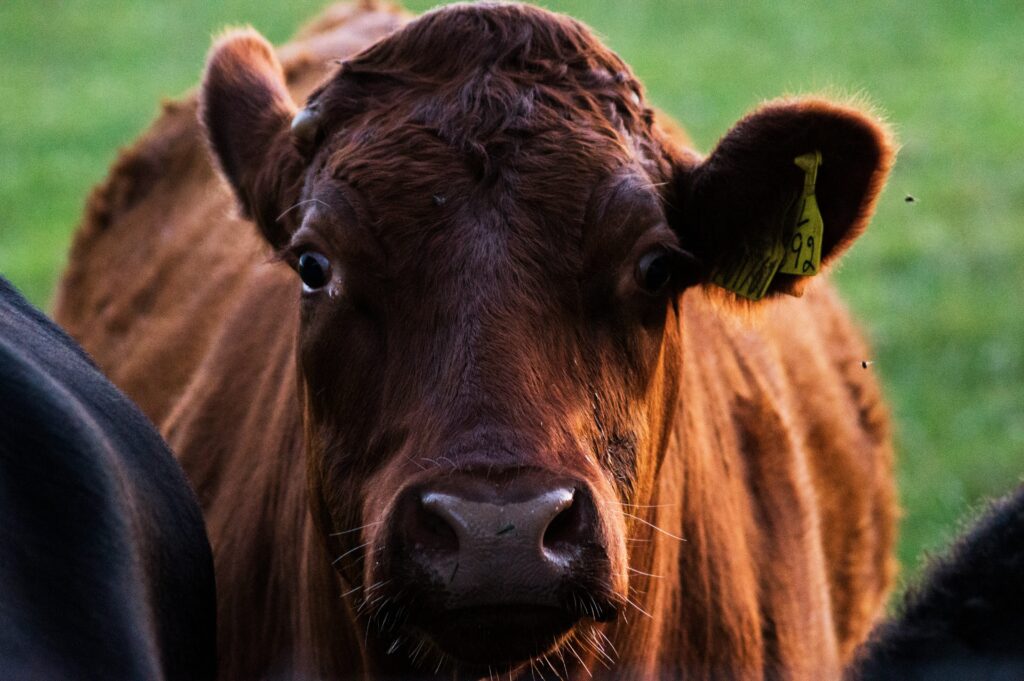
What Are Feeder Livestock?
Feeder livestock are animals raised specifically for market. They grow until they reach weight targets set by farmers and buyers. These are not breeding stock or pets. Imagine a farmer with a group of pigs in a pen, watching them munch on feed. Those pigs will soon serve a purpose beyond the farm. Farmers weigh them regularly to ensure growth is on track.
The main types of feeder livestock include cattle, sheep, and pigs. Each plays its part in the agricultural market. Cattle provide beef, sheep offer lamb and wool, while feeder pigs become pork products eagerly sought after by consumers. The demand for these meats keeps farms operational across America’s heartland and beyond.
Feeder livestock fill an essential role in agriculture’s ecosystem. They help drive food supply chains from farm to table. Markets depend on these animals to meet consumer needs. Without feeder livestock, grocery stores would face empty shelves quickly. This shows just how important these creatures are to our daily meals and economy.
Farmers must understand which type of feeder livestock suits their operations best. An extra-large cow might look impressive but may not be the right fit for every farm setup or market demand. Keeping an eye on fluctuations in prices helps farmers choose wisely; knowing what sells creates better profit margins down the line.
Choosing the Right Breed
Selecting the right breed is vital. Some breeds grow faster than others. Others yield better meat quality or adapt well to local climates. You need to think about your goals, resources, and environment. Do you want quick returns or premium products? The answers guide your choice. For instance, Angus cattle might serve a market hungry for high-quality beef while Duroc pigs excel in their ability to put on weight swiftly.
Popular breeds exist for a reason. Beef cattle often include Hereford and Simmental alongside Angus. Sheep enthusiasts may prefer Suffolk or Dorper for their hardiness and adaptability. Pigs are not just any swine; Berkshire is known for its marbled meat, ideal for those seeking top dollar at market time. Each breed has traits that can affect growth rates and overall profitability. Choosing wisely becomes crucial when balancing health, ease of care, and market demand.
When you consider livestock nutrition, breed selection plays a major role. Some breeds thrive on certain diets while others require specific feed components to achieve optimal growth rates. A strong genetics foundation paired with proper nutrition leads to success in livestock farming. Understanding how much protein, minerals, and vitamins a breed requires can make or break production levels; both immediate growth and longevity matter in the long run.
Ultimately, let the needs of your operation guide your decision-making process. Evaluate breed characteristics against your goals and resources continuously. Keeping an eye on competitors also helps ensure you are making sound choices in this ever-evolving agricultural landscape. With the right breed by your side, you’ll be set up for greener pastures ahead.
Nutrition Essentials for Healthy Growth
Feeder livestock need good food to grow. A balanced diet acts like a sturdy foundation for buildings. Without it, those structures crumble. Healthy animals gain weight quickly and stay strong. This leads to better profits in the barn and the market. Good nutrition is not a luxury; it is essential for success in animal husbandry.
Key nutrients play their roles well. Proteins help build muscles. Vitamins keep immune systems robust, while minerals support bone growth and reproduction. For instance, calcium ensures bones stay strong in cattle, while zinc promotes healthy skin in pigs. Each nutrient fits together like pieces of a puzzle to create thriving livestock populations.
Sourcing feed wisely makes a difference too. Farmers may look for local grain mills or farms that sell leftovers from human food processing as livestock feed alternatives. Mixing ingredients at home might save money but can be risky without proper knowledge of nutrition needs. Formulating feeds requires knowing how much protein or energy each animal really needs based on age and species.
Being attentive pays off here, just like tending to crops during the hot summer days. Keep an eye on your livestock’s condition closely; watch growth rates and appearance regularly. If you see any issues, adjust their diets immediately or consult with experts who know animal husbandry well. In the end, remember: fed right, feeder livestock deliver big results.
Housing and Management Practices
Creating a suitable environment for feeder livestock is crucial. First, consider the space. Each animal needs room to move. They should not feel cramped. A proper shelter protects them from harsh weather. It acts as a shield against rain, sun, and wind. Good drainage prevents mud accumulation. Mud can create health problems. Clean bedding also improves comfort and hygiene.
Daily care routines are vital. Farmers must check on their livestock every day. This includes feeding, watering, and inspecting for signs of illness or stress. Feeding schedules should be consistent. Livestock thrive on routine. Ensure fresh water is always available. A dirty trough can lead to sickness fast.
Stress management techniques improve overall well-being in animals just like it does in humans. Keep noise levels down around the barns; loud sounds can frighten them easily. Provide enough space so animals can establish their own territories without conflict. Regular handling helps them trust you, too; this builds calmness in your herd or flock.
Farm management does not stop at nutrition and care; it extends into how you maintain the living environment for these creatures that bring life to your farm operation. The goal is not just productivity but happiness in your livestock as well—a happy animal is often a productive one.
Health Care Best Practices
Feeder livestock can face health challenges. Diseases such as pneumonia, foot rot, and intestinal parasites plague cattle, sheep, and pigs alike. They thrive in crowded conditions. You must monitor their environment closely. Cleanliness is crucial. Regularly clean their living space and provide proper ventilation to minimize disease spread. Employ biosecurity measures like separating new animals from the herd for a clean introduction.
Vaccination schedules are important for preventing illness. Work with your veterinarian to establish a plan tailored to your herd or flock’s specific needs. Cattle may require vaccines for brucellosis and IBR (Infectious Bovine Rhinotracheitis). Sheep might benefit from vaccines against CDT (Clostridial Disease) and sore mouth. Pay attention to timing; vaccinations should be given before stress periods like weaning or transport.
Signs of illness can vary across different types of feeder livestock but remain critical indicators of overall health. Monitor your animals daily. Watch for reduced feed intake, unusual behavior, or changes in body posture. For cattle, signs like excessive coughing or nasal discharge signal respiratory issues. In pigs, look for lethargy or skin rashes that could indicate infection. Early detection leads to better outcomes.
Effective breeding techniques also play a role in overall health management. Choose breeding stock based on not just growth potential but also resilience to diseases common in your area. Disease-resistant genetics will help safeguard future generations of feeder livestock and reduce reliance on costly veterinary interventions down the line.
Record Keeping and Tracking Progress
Good record keeping is the backbone of successful farming. When you keep accurate records, you can monitor performance. You note growth rates, feed consumption, and health metrics. This data leads to informed decisions. You know what works and what does not. For example, if one batch of feeder cattle eats less feed but gains more weight than others, you take notice. Such insights guide your future feeding practices.
You have options for record keeping. Some prefer digital tools like apps or software tailored for agriculture. These systems help track all important metrics with ease. Others lean toward traditional methods using notebooks or ledgers. No matter which method you choose, consistency is key. Log daily activities regularly. Record any changes to diets or housing environments. Simple notes can make a significant difference when evaluating progress over time.
Moreover, tracking extends beyond just numbers on paper or screen; it shapes how you manage your livestock. Over time, patterns emerge in growth, health issues, and even market readiness. A trend might show that sheep fed a certain mix grow faster before sale time. Adjusting your feeding practices based on this information can lead to better profits and healthier animals.
Having good records also builds confidence when dealing with buyers or lenders. They want proof of success before investing in your operation. Show them solid data that highlights growth rates and overall herd health metrics derived from careful tracking—and they pay attention. Your organized approach speaks volumes about your commitment to quality in farming.
Marketing Your Feeder Livestock
Selling feeder livestock is more than finding a buyer. It’s about knowing the market and your product. Study your local area. Understand what farmers need. Some might prefer cattle for beef, while others want sheep or pigs for different purposes. Observe seasonal trends too. Prices can fluctuate based on demand, holidays, or even local events. Timing your sales can make a big difference in profit.
Develop a pricing strategy that considers not just the cost of raising the livestock but also market rates. Do not undervalue your hard work, but don’t overprice either. Research previous sales to set competitive prices without cheating yourself out of profits. Sometimes animals with slight imperfections sell at lower prices despite being healthy and ready to grow. Buyers often appreciate good health monitoring records alongside animal health reports, which can boost buyer confidence.
Networking within your agricultural community is another secret weapon. Attend local fairs and conferences to meet potential buyers and other farmers. Join groups or online forums that cater to livestock auctions or selling practices. Collaborating with other farmers opens doors and creates opportunities for future business ventures too. Share experiences, tips, and best practices on social platforms that focus on agriculture.
In the end, marketing is about relationships as much as it is about profits. Build trust with customers through transparency regarding animal health and growth progress. Provide clear information about feeding regimens and housing conditions if asked; this shows professionalism and care for your livestock’s well-being, encouraging repeat buyers down the road.
Sustainability Practices in Feeder Livestock Farming
Sustainable farming works hand in hand with the concept of feeder livestock. It is not just a trend; it’s a way to secure your farm’s future. Sustainable practices begin with good pasture management. This means rotating grazing areas to prevent overgrazing and allow pastures time to recover. Healthier pastures yield better forage, which leads to stronger animals and higher profits. A well-managed pasture system contributes to soil health while reducing erosion and runoff.
Using eco-friendly practices benefits both the environment and your bottom line. Crop rotation can enhance soil fertility, saving you costs on fertilizers down the line. Integrated pest management keeps harmful insects at bay without using harsh chemicals that may harm beneficial species. These practices create a balanced ecosystem on your farm. They reduce dependency on synthetic inputs and promote biodiversity, making your operation more resilient.
Resources abound for those ready to dive deeper into sustainable practices. Universities often have extension programs that focus on sustainable agriculture techniques tailored for local climates and conditions. Books on regenerative agriculture offer insights into building healthy soil systems that nurture plants and animals alike. Online forums provide spaces for farmers to exchange ideas about sustainability, showing how others have successfully implemented these principles.
Moving towards sustainability takes effort, but the rewards are worth it. It creates healthier livestock, improves land use, and can even open doors to new markets focusing on sustainably raised animals. Each productive choice builds toward a sustainable future for us all—farmers, consumers, and nature itself working in harmony.
Take the Leap into Feeder Livestock Success
You have explored feeder livestock. You learned about breeds, nutrition, housing, and health care. You now know how to market your animals and keep good records. This knowledge will help you grow. Each piece is a tool in your hands. Use them well.
Now is the time to act. Ring that feed store. Check the barn for repairs. Talk to your neighbors about their experiences. Every step forward matters in this journey of farming. Embrace it with grit and resolve. Start today, and build a future filled with success in feeder livestock farming.
